



How Slow Websites Compromise Your Brand

INTRODUCTION
Imagine this: You’re browsing a website to find crucial information about a product or service, but the pages are taking forever to load. Frustrating, right? Now, imagine this happening to potential clients. Today, a sluggish website isn’t just a minor annoyance — it’s a deal-breaker. For manufacturing businesses, where every second counts in driving B2B sales and maintaining operational efficiency, having a slow website can be a hidden drain on your business.
Meanwhile, digital transformation sweeping across sectors is not just a trend but a critical shift in how businesses operate and interact with their clients. Manufacturing companies use more and more digital channels to showcase their products, facilitate transactions, and manage supply chains. A well-optimized website is at the heart of this transformation, acting as a vital interface between the company and its clients. It’s the gateway for potential clients to discover products, access technical documentation, and make purchasing decisions. Ensuring that this digital gateway is fast and efficient is crucial.
This whitepaper examines the often-overlooked consequences of slow websites and offers actionable insights on how to speed things up and stay ahead of the game.
PART I:
The Cost of Slow Websites in Manufacturing
The more competitive is your niche, the more customers expect from you, and a fast website is one of those things. Statistics say, that 40% of visitors will leave a site if it doesn’t fully load within three seconds. Apart from that, website speed affects other aspects:
TRUST
A website serves as the digital face of a company. When it doesn’t function correctly, it undermines visitors’ trust and expectations.
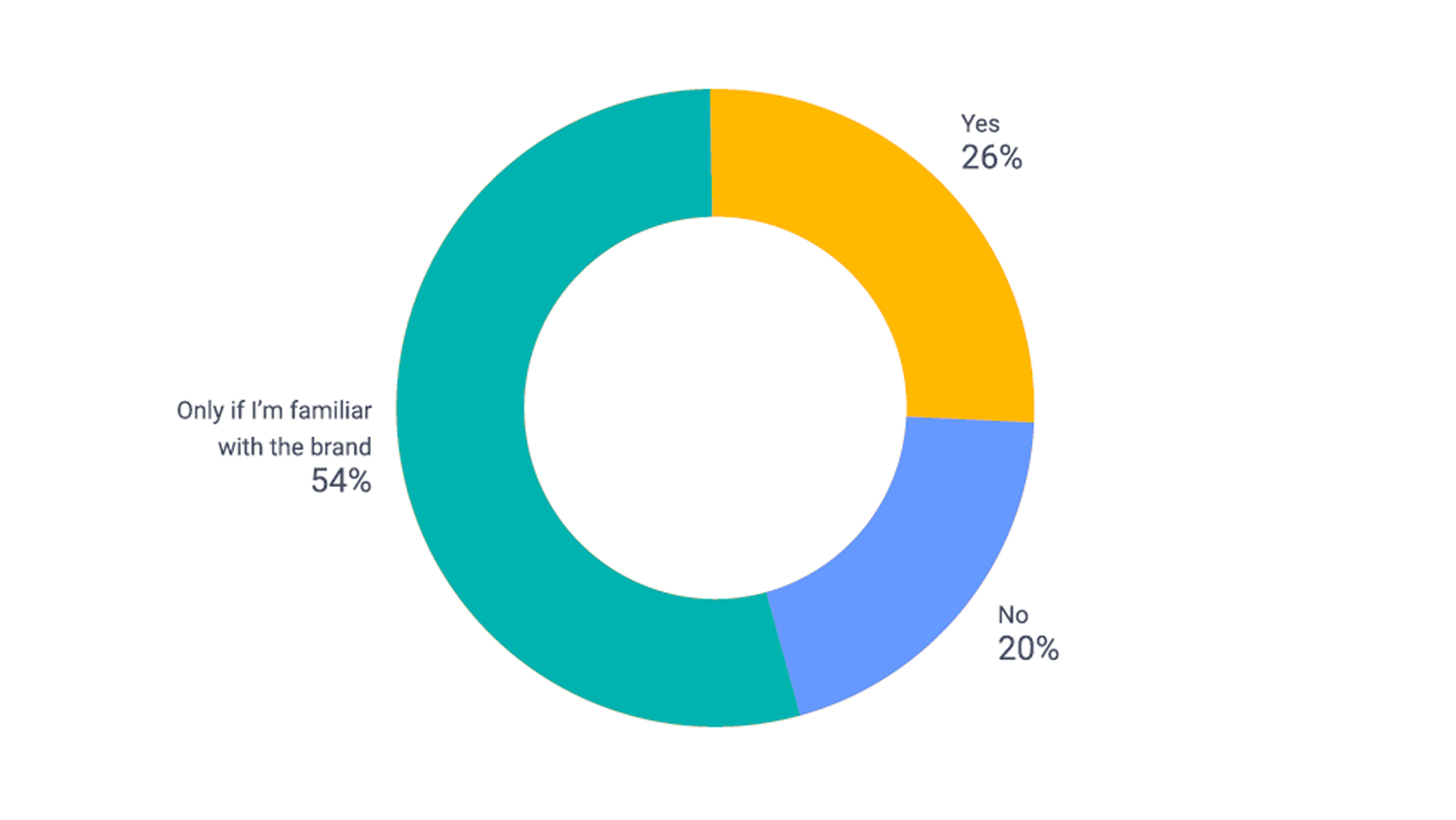
- Visitor Trust: 20% of users do not trust slow-loading websites at all. A slow website can create a negative first impression, making users question the reliability and professionalism of the business.
- Brand Familiarity: 54% of users mentioned they only trust a slow website if they are familiar with the brand. For manufacturing businesses with low-performing websites, this translates to a substantial loss of potential customers who are not yet familiar with the company. This also leads to a greater need for investment in PR and marketing to build brand recognition and trust.
Do you trust websites that are loading slowly?
BRAND PERCEPTION
Website speed directly influences how a brand is perceived. A slow website can be associated with potential difficulties, insecurities, or subpar products.
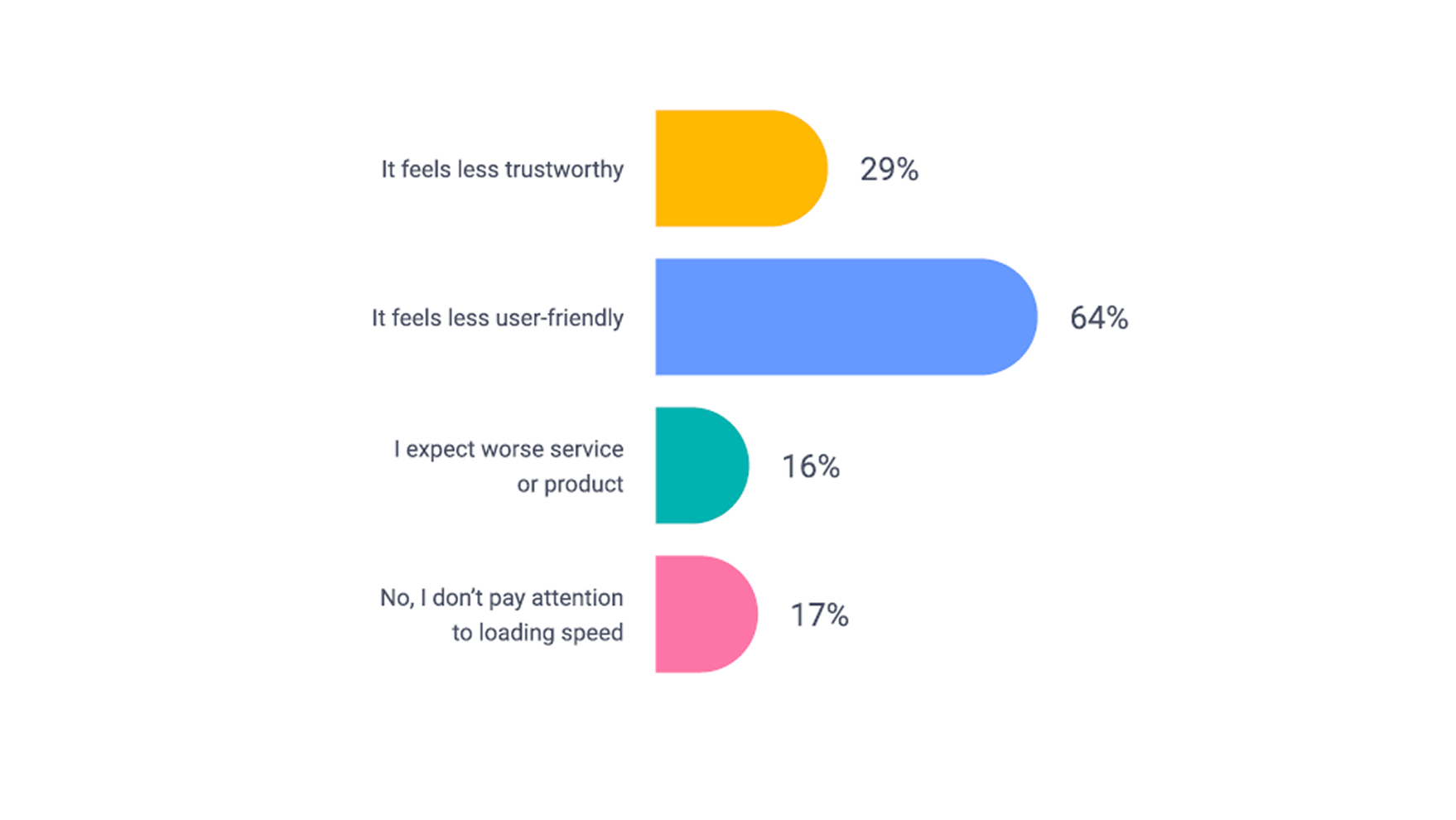
- User Importance: 83% of users of manufacturing websites stated that website speed is crucial. A slow website can lead to negative associations with the brand, suggesting inefficiency and a lack of innovation.
- User Feedback:
- 64% said that slow or glitchy websites feel less user-friendly. This can result in frustration and a poor user experience, driving potential customers away.
- 29% indicated that slow websites feel less trustworthy. Trust is a key component of customer relationships, and a slow website can erode this trust quickly.
- 16% expected poorer service or products from manufacturers with slow websites. This perception can deter potential clients and affect overall sales.
Does a slow website impact your brand perception of the manufacturing companies you work with?
LOSING POTENTIAL AND EXISTING CONTRACTS
Website speed can also influence whether a company is chosen as a supplier. Although it may not be the primary concern, it is still an important factor for decision-makers.
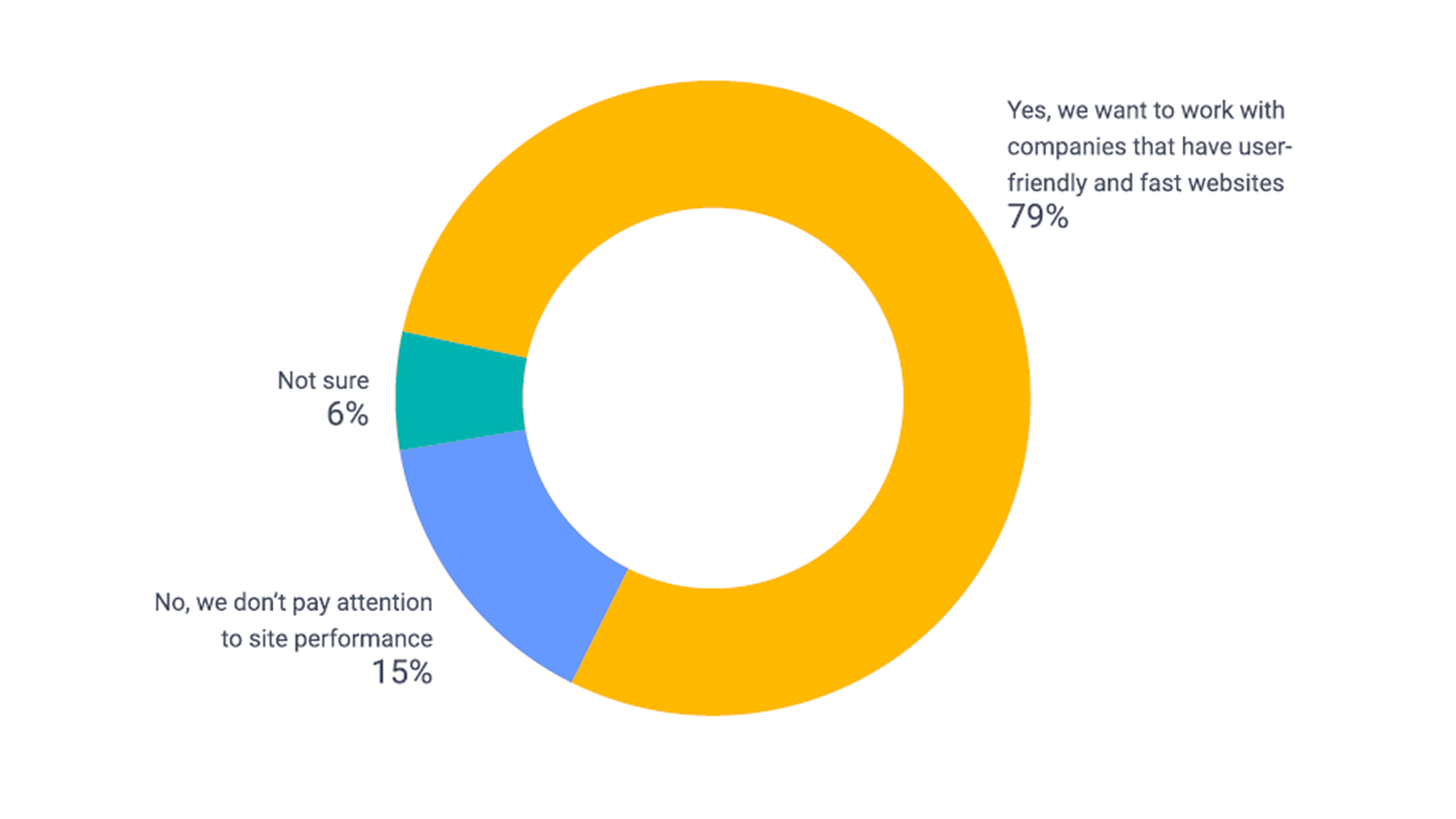
- Preference for Speed: 79% of decision-makers prefer working with manufacturing companies that have user-friendly and fast websites. A slow website can be seen as a reflection of the company’s operational efficiency and responsiveness.
Do you consider website performance an important factor when buying from manufacturers?
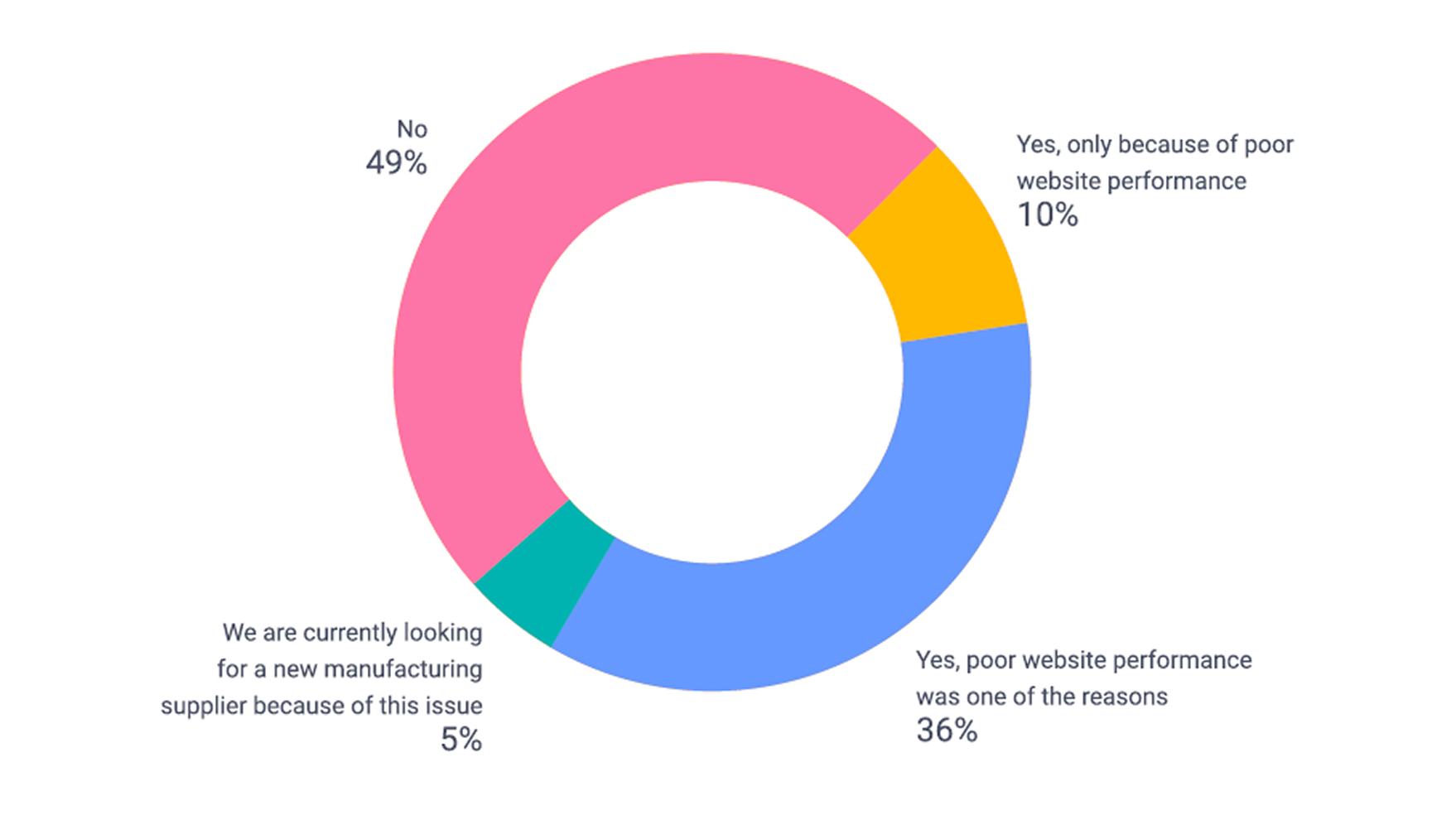
- Supplier Switching: 36% of respondents indicated that they have switched manufacturing suppliers due to poor website performance. Slow website performance can suggest underlying inefficiencies, prompting clients to look for more reliable and efficient suppliers.
Have you ever changed a manufacturing supplier due to poor website perfomance?
PART II:
Factors That Slow Down Websites

Poor server performance and suboptimal server location can significantly slow down your website. If your web server struggles to handle numerous simultaneous requests, it can lead to delays in content delivery. Additionally, if the server is geographically distant from your users, latency increases, resulting in slower load times and a less responsive website experience. This latency occurs because data must travel greater distances, which is further exacerbated during peak usage times when server resources are stretched thin.

Large, unoptimized media files like images and videos can drastically degrade website performance. High-resolution images and uncompressed videos take longer to load, leading to delays in page rendering. This not only frustrates users but also increases bounce rates, as visitors may leave the site before it fully loads. Manufacturing websites often host such large media files, including detailed technical diagrams, which are necessary for showcasing products and providing comprehensive information. However, if not properly optimized, these files can significantly slow down load times.
Compressing and optimizing media files is crucial for maintaining a fast website without compromising content quality. Techniques such as lazy loading, using modern image formats like WebP, and optimizing video files can help reduce load times and enhance user experience.

Not using a CDN can slow down your website because it forces users to load all content from the origin server. Without a CDN, the content is not distributed across multiple servers worldwide, leading to higher latency and slower load times, especially for users located far from the origin server. A CDN mitigates this by caching content at various global locations, ensuring faster delivery. However, the absence of this infrastructure means that each user request has to be processed by the central server, creating bottlenecks and slower data retrieval times.

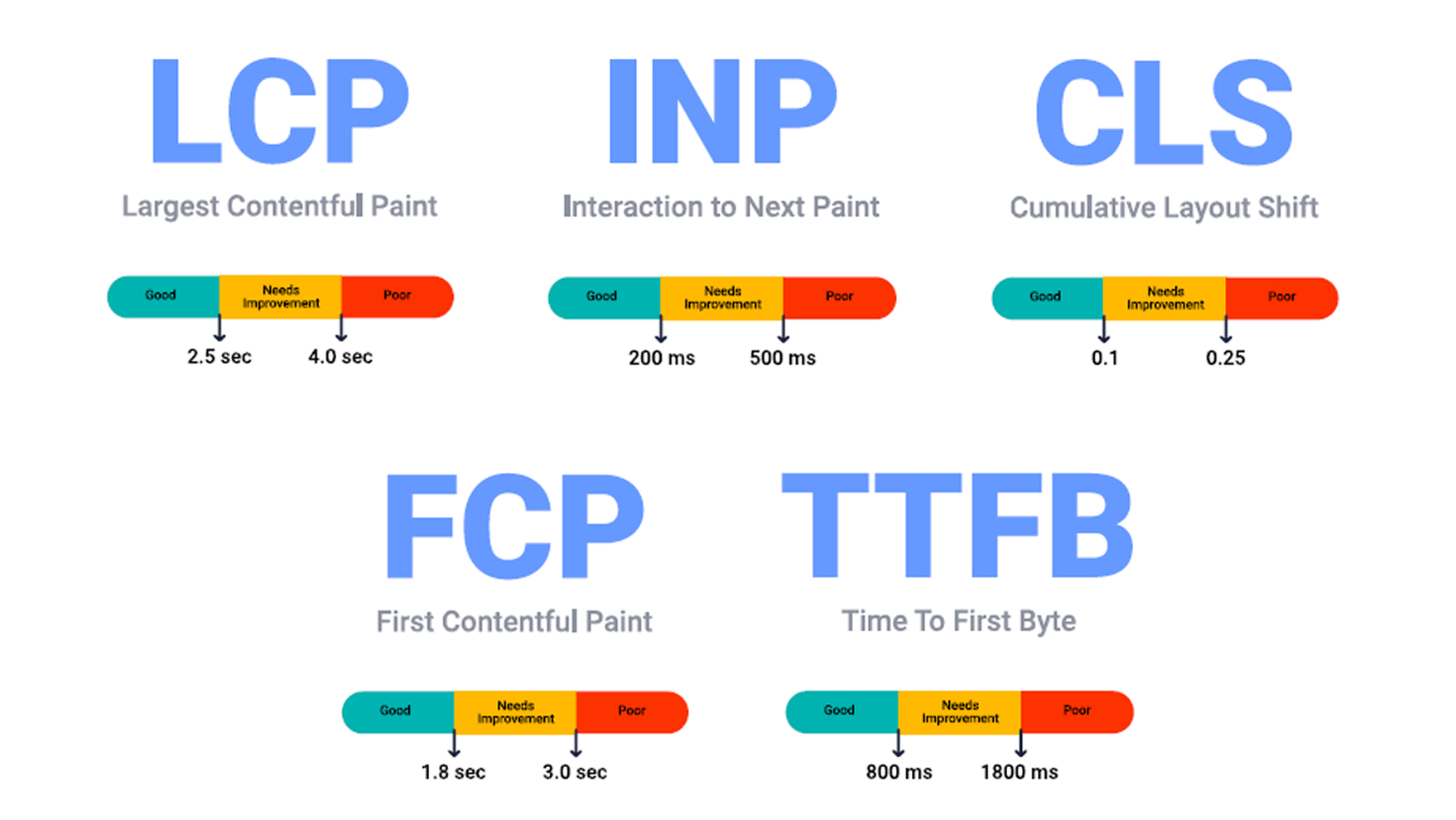
Largest Contentful Paint (LCP): This measures how long it takes for the largest image or text block on the screen to load after a user first lands on the page. It’s a crucial metric for understanding how quickly the main content becomes visible.
Interaction to Next Paint (INP): This metric looks at how responsive a page is to user interactions. It measures the delay between user actions like clicks or taps and the page’s reaction. The final INP value reflects the longest delay encountered, excluding unusual spikes.
Cumulative Layout Shift (CLS): This assesses how stable a page is visually by measuring how often and how much the layout shifts unexpectedly. A low CLS score indicates a more stable and pleasant viewing experience.
First Contentful Paint (FCP): This gauges how quickly users can see something on their screen after the page starts loading. A fast FCP reassures users that the site is working and loading their requested content.
Time to First Byte (TTFB): This metric tracks the time between when a user requests a resource and when the first byte of data starts arriving from the server. It’s an essential indicator of backend performance.

It’s important to have an effective caching strategy in place to avoid making repeated server requests for the same content, which can slow down a website. When browser and server-side caching are not utilized, users are required to download all resources every time they visit a page. This increases load times and decreases overall performance. Caching involves temporarily storing copies of files, which reduces the need to fetch data from the server for every request. Without a robust caching mechanism, the server is continually burdened with processing repetitive requests, leading to a significant slowdown in website responsiveness.

Using an outdated or inefficient CMS can cause a website to slow down. Traditional, monolithic CMS architectures often create bottlenecks as the website grows and needs more dynamic content. Integrating third-party tools in such systems can be difficult and slow down the website, reducing its efficiency and responsiveness. In the manufacturing sector, where frequent updates and detailed product information are necessary, a cumbersome CMS can lead to delays in content updates and user interaction, significantly degrading the overall user experience.

Inefficient code can greatly slow down a website. Using inefficient algorithms, excessive JavaScript, and uncompressed code can prolong load times. Code that is not optimized for performance can lead to longer rendering times and a slow user experience, affecting the overall speed and responsiveness of the site. In manufacturing websites, where complex interactions and dynamic content are common, suboptimal code can cause delays in displaying product information, which is crucial for user engagement and operational efficiency.

REMEMBER
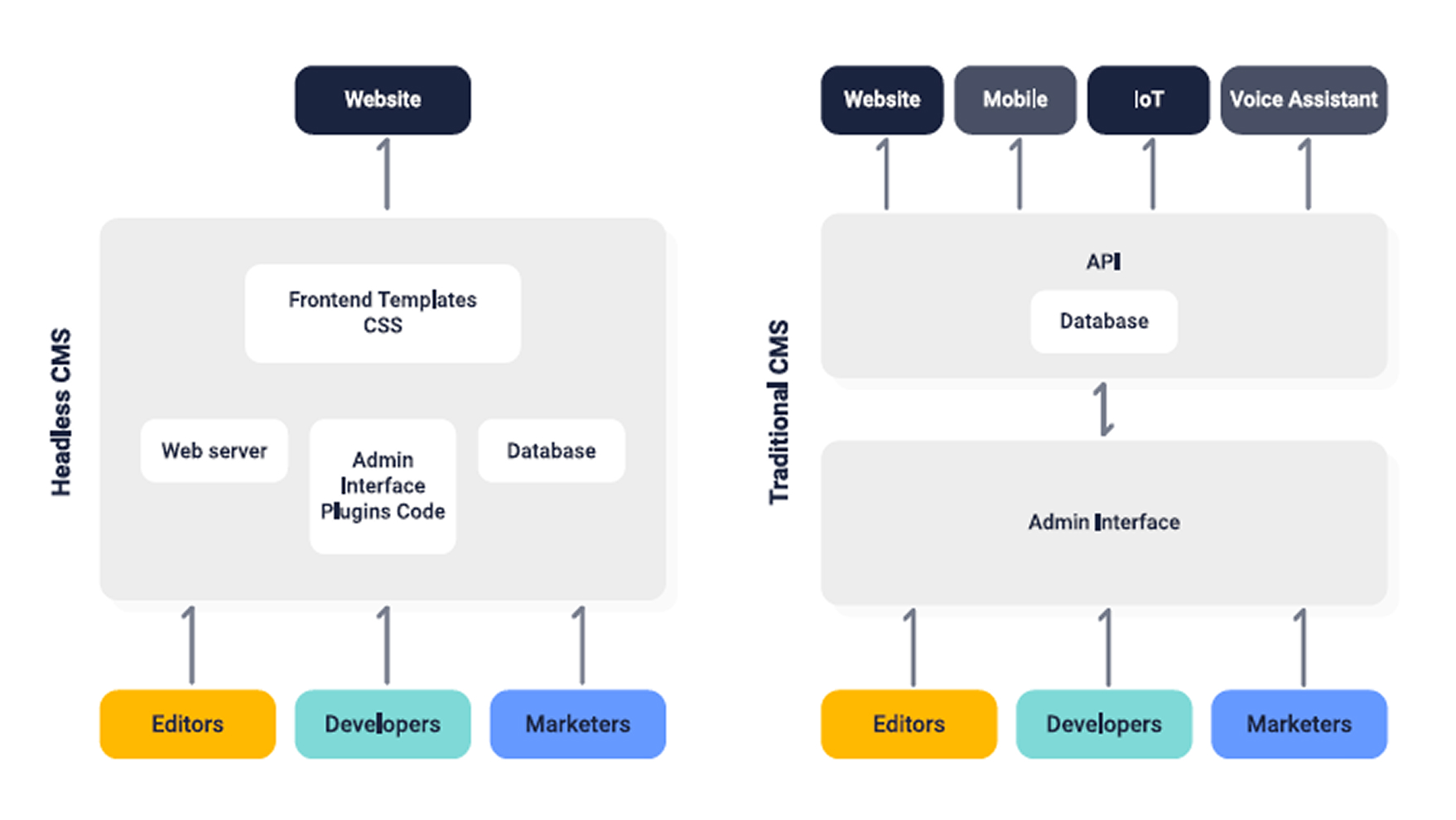
While a traditional CMS is one monolithic system, a headless CMS separates the “body” of a content management system (the backend) from the “head” (the frontend). That means you can use whatever technology you want to build your system while also distributing your content to an endless number of channels.
*According to the latest research, Content-Driven Growth: What Manufacturers Need From Their CMS,
45 % of manufacturers that migrated to headless CMS noticed performance improvements and increased loading times.
PART III:
Storyblok: a CMS for the Manufacturing Industry

Green Paper Products, a provider of sustainable tableware and food service items, faced significant challenges with its monolithic technology stack, which hindered scalability and performance. Partnering with VividFront, they transitioned to a headless CMS using Storyblok, resulting in a more flexible, scalable, and efficient website. This new setup integrated with Shopify and Klaviyo, enhanced SEO, and allowed for rapid product and page additions. Post-launch, the website saw a 16% decrease in bounce rate, a 25% increase in direct traffic conversion, and a 12.5% increase in sitewide conversion rate, demonstrating massive improvements in both user experience and operational efficiency.
 25%
25%
Direct Traffic CVR
12.5%
Sitewide CVR
16%
Sitewide Bounce Rate

With over 100 years of shipbuilding history, Damen Shipyards Group collaborated with Iquality to develop a multisite environment to create a fully immersive customer experience while achieving a 75% cost reduction. By adopting Storyblok’s headless CMS, they leveraged its component-based approach, which enhanced efficiency, reusability, and integration capabilities.
The new platform supported Damen’s omnichannel strategy and significantly improved SEO and performance metrics. With Storyblok, the company achieved faster content creation and seamless integrations with various tools. They also maintained high standards of security and agility, which ultimately delivered a robust digital experience and significant operational savings.
CX
Fully Immersive
Multisite
Environment
75%
Cost Reduction
PART IV:
Improving Website Performance in
Manufacturing
The performance of a website is heavily influenced by the speed and reliability of its hosting server. Manufacturing companies should choose high-performance hosting solutions that can handle large volumes of traffic and data requests efficiently. Servers located closer to the user base can significantly reduce latency and improve load times.
- Technical Consideration: Opt for servers with high-speed CPUs, ample RAM, and SSD storage to ensure quick data retrieval and processing.
- Geographical Distribution: Utilize geo-distributed servers or a Content Delivery Network (CDN) to ensure that users across different regions experience minimal latency.
- Edge Computing: Edge computing platforms like AWS, Vercel, and Cloudflare bring application logic closer to users. Unlike CDNs that serve only static content, edge computing replicates application logic to reduce round-trip times between clients and servers, enhancing performance.
A CDN distributes your website’s static content across multiple servers worldwide. This ensures that content is delivered from the nearest server to the user, reducing latency and improving load times.
- Technical Setup: Integrate a CDN service such as Cloudflare, Akamai, or Amazon CloudFront. Ensure that all static assets (images, CSS, JavaScript files) are served through the CDN.
- Benefits for Manufacturing: With a global client base, manufacturing websites can benefit from reduced load times and improved content availability, even during peak traffic periods.
A CDN distributes your website’s static content across multiple servers worldwide. This ensures that content is delivered from the nearest server to the user, reducing latency and improving load times.
- Technical Setup: Integrate a CDN service such as Cloudflare, Akamai, or Amazon CloudFront. Ensure that all static assets (images, CSS, JavaScript files) are served through the CDN.
- Benefits for Manufacturing: With a global client base, manufacturing websites can benefit from reduced load times and improved content availability, even during peak traffic periods.
Effective caching strategies can significantly reduce server load and improve website responsiveness by storing copies of frequently accessed data.
- Browser Caching: Set appropriate cache control headers to instruct browsers to store copies of static assets locally. This reduces the need for repeated downloads on subsequent visits.
- Server-Side Caching: Implement server-side caching mechanisms like Varnish or Redis to store dynamic content that doesn’t change frequently, reducing server processing time.
High-quality code is essential for optimal website performance. Poor coding practices can lead to unnecessary bloat, increased load times, and difficult maintenance.
- Minification: Minify CSS, JavaScript, and HTML files to reduce their size and improve load times. Tools like UglifyJS and CSSNano can automate this process.
- Asynchronous Loading: Load JavaScript files asynchronously using the async and defer attributes to prevent them from blocking the rendering of other page elements
- Performance Analysis: Regularly conduct performance analysis using tools like Lighthouse to identify and fix inefficiencies.
Beyond initial analysis, ongoing performance monitoring is crucial to understand how changes affect real users. This involves tracking key performance indicators (KPIs) and user interactions on a broader scale.
- Core Web Vitals: Monitor metrics like Largest Contentful Paint (LCP), Interaction to Next Paint (INP), and Cumulative Layout Shift (CLS) to ensure that updates have a positive impact on user experience.
- Error Monitoring: Implement error tracking tools like Sentry or New Relic to catch and address unhandled errors that could degrade performance.

A headless CMS offers significant advantages for website speed and flexibility by separating the backend content management system from the frontend presentation layer. This decoupling allows manufacturing companies to deliver content more efficiently and optimize website performance with greater ease.
- Dynamic Content Delivery: With a headless CMS like Storyblok, manufacturing companies can dynamically deliver content to various platforms and devices. This flexibility ensures that content is optimized for speed and responsiveness, regardless of the end user’s device or location.
- Scalable Solutions: Storyblok provides scalable solutions that grow with your business needs. Its API-first approach and multiple ready-to-use integrations with best-of-breed tools make it easier to enhance functionality without compromising performance. This scalability is crucial for manufacturing companies with expanding product lines and evolving digital requirements.
- Improved User Experience: The decoupled architecture ensures that content delivery is fast and efficient, leading to a seamless user experience.
LEARN MORE
PART IV:
Useful Resources on Website Performance
Guide: User-centric performance metrics.
Article: Is page speed a ranking factor? Yes, it always was.
Tutorial: Improving Web Performance using the Storyblok Image Transformation API.
Tutorial: Web performance journey with Nuxt, Storyblok & Netlify.
Technical Guide: Complete guide to understand and measure the performance of your website.
Technical Guide: How I optimized the Pagespeed of a theme from 59 to 100.
Best Practices: How to increase page speed score with Storyblok.
Conclusion
The hidden costs of slow websites in the manufacturing industry are significant and far-reaching. From lost sales and reduced customer satisfaction to lower search rankings and operational inefficiencies, slow websites can hinder a company’s success in the digital age. By prioritizing website performance and implementing the strategies outlined in this whitepaper, manufacturers can enhance their digital presence, drive growth, and achieve their digital transformation goals.
Prioritizing website performance is not just a technical necessity but a strategic imperative for manufacturing companies aiming to lead in a competitive and rapidly evolving market.
About Storyblok
Storyblok is a next-generation content management system (CMS) that helps businesses across industries maximize value from their content faster by speeding up workflows across the content life cycle. Businesses choose Storyblok to improve digital performance, reduce costs, and deliver powerful customer experiences faster and more efficiently.
As a cloud-native CMS, Storyblok enables developers and marketers to build standout content experiences faster by working off their preferred technology, developing faster with our powerful APIs, and easily extending their CMS with any third-party solution. Storyblok’s intuitive visual editing experience, robust content management solutions, and omnichannel publishing capabilities empower marketers and creatives to drive global, personalized marketing strategies across all channels.
See how Storyblok helped global brands like Nissan, Damen Shipyards, and Green Paper Products, turn their content operations into a competitive advantage. Storyblok is the only CMS recognized as Customers’ Choice in Gartner’s Peer Insights 2023 report. See why at Storyblok.com